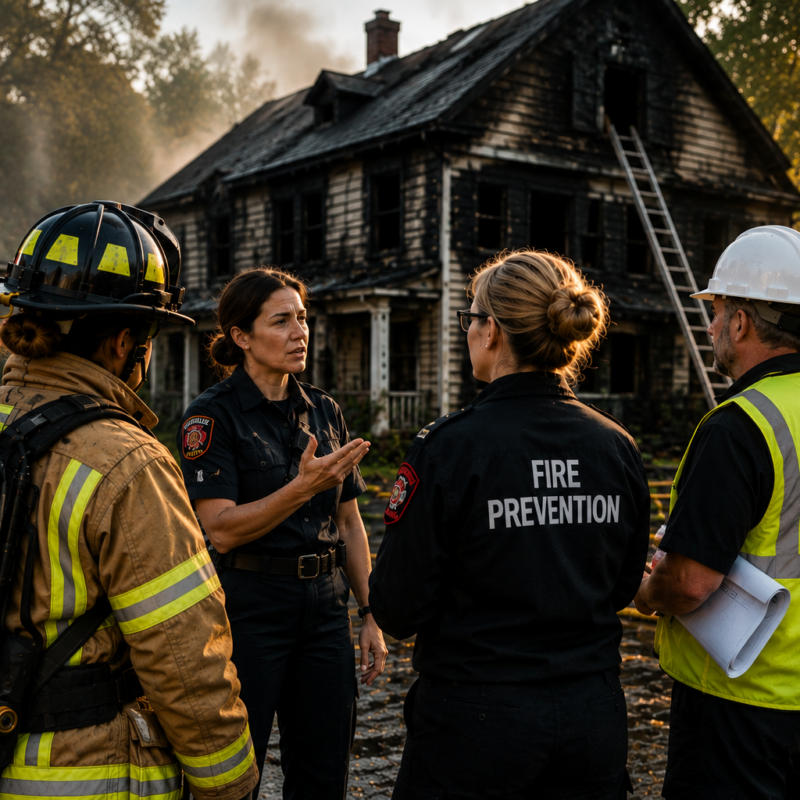
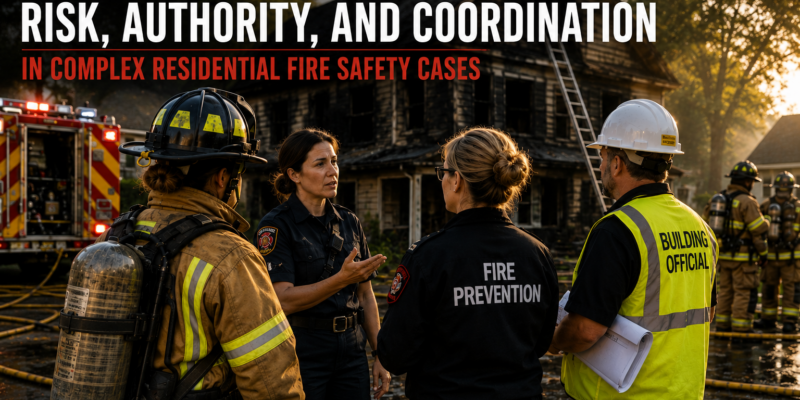
This session examines a complex, high-risk residential address that highlights critical challenges faced by municipal fire departments in managing life safety hazards. The property presented extreme unsafe conditions, including indoor generator use, open flame cooking, lack of alarms, substance use, and significant fire load—creating an environment akin to an occupied encampment within a dwelling.
Despite issuing an Immediate Threat to Life order and identifying the need for continued control of the property, municipal efforts were constrained by limited enforcement tools and a prolonged Authorization to Close (ATC) review process. Over a 19-day period, risk conditions persisted or worsened, exposing a gap between legislative intent and operational reality.
The session will explore key themes, including:
- Resource and authority limitations at the municipal level when managing persistent high-risk properties
- Communication and coordination challenges across divisions and with provincial partners
- The impact of unclear thresholds and timelines within the ATC process
- Lessons learned and opportunities to improve consistency, responsiveness, and shared accountability in high-risk interventions
Attendees will gain insight into how delays in decision-making can leave communities exposed, and how policy, process, and inter-agency collaboration can be strengthened to better support timely, effective action in life safety emergencies.